
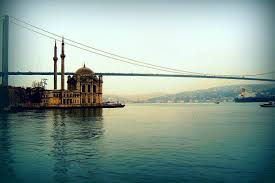
For decades, Türkiye has been defined by its geography—a literal bridge between Europe and Asia. However, in the modern global economy, Türkiye is evolving beyond this «bridge» metaphor to become a powerful economic catalyst. Through strategic investments, massive infrastructure projects, and a robust manufacturing base, Türkiye is reshaping the economic landscape of both the Balkans and the Middle East.
1. The Balkans: A Hub for Turkish Soft Power and FDI
In the Balkans, Türkiye has translated historical ties into a modern economic reality. From Serbia to Albania, Turkish Foreign Direct Investment (FDI) has become a cornerstone of regional development.
Strategic Sectors: Turkish companies are no longer just trading; they are building. Significant investments in banking (e.g., Halkbank), textiles, and telecommunications have turned Türkiye into one of the top three investors in several Balkan nations.
Logistics and Connectivity: By investing in «Peace Highways» and railway links, Türkiye is reducing logistics costs across the peninsula, facilitating a smoother flow of goods between the Adriatic and the Black Sea.
2. The Middle East: The Regional Supply Chain Powerhouse
While the Balkans represent a destination for investment, the Middle East serves as a primary market for Turkish exports and contracting services.
Construction Excellence: Turkish contractors are legendary in the Middle East, managing multi-billion dollar projects ranging from airports in the Gulf to urban redevelopment in Iraq.
Export Diversity: Beyond traditional goods, Türkiye is now exporting high-tech solutions, including defense industry products and renewable energy technology, positioning itself as a diversified alternative to oil-dependent economies.
3. Economic Weight: GDP Comparisons and Macro Impact
To understand Türkiye’s influence, one must look at the sheer scale of its economy relative to its neighbors. As of 2026, Türkiye’s GDP (projected at approximately $1.2 trillion) provides a unique vantage point:
The Balkan Comparison: Türkiye’s economy is larger than the combined GDP of all Balkan countries. This disparity makes Türkiye the primary «engine» of the region, acting as both a massive consumer market and a vital source of capital.
The Middle East Balance: While nations like Saudi Arabia boast high GDPs driven by petroleum, Türkiye’s economy is distinguished by its manufacturing and services diversity. This industrial depth allows Türkiye to act as a resilient partner that provides the Middle East with everything from automotive parts to digital services.
4. Regional Integration: The Multiplier Effect
The true value of Türkiye’s influence lies in integration, not just presence. This creates a «win-win» scenario through several channels:
Job Creation: Turkish factories and construction sites across these regions provide livelihoods for hundreds of thousands of local citizens.
Standardization: As Turkish firms (accustomed to EU Customs Union standards) expand, they help raise the quality and regulatory standards of local industries in the Balkans and Middle East.
Digital Export: The «New Face» of this integration is digital. Turkish startups in cloud computing and cybersecurity are now providing the digital backbone for businesses from Sarajevo to Dubai.
Conclusion: A Central Pillar of Stability
Türkiye’s economic role in the Balkans and the Middle East is no longer a peripheral factor—it is a central pillar of regional stability. By fostering deep-rooted economic integration and leveraging its massive GDP, Türkiye is ensuring that the future of these regions is interconnected, digital, and prosperous.