
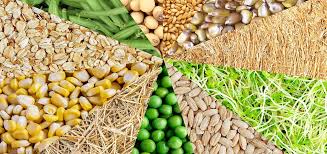
Agriculture remains a strategic pillar of the Turkish economy, supporting both national food security and export-driven growth. With its favorable climate diversity, fertile soil, and proximity to key international markets, Türkiye has established itself as a leading global supplier of agricultural and food products. Today, Turkish agricultural exports span a broad portfolio—from raw commodities to value-added food products—positioning the country as a critical player in global food supply chains.
Global Leadership in Hazelnut Production and Export
Türkiye dominates the global hazelnut market, accounting for the majority of worldwide production and exports. As a primary supplier to the international confectionery industry, Turkish hazelnuts are an essential input for leading chocolate manufacturers.
This strong market position is underpinned by:
- Large-scale production capacity
- Consistent product quality
- Established export infrastructure
As global demand for premium ingredients continues to rise, Türkiye’s leadership in hazelnut exports remains a key competitive advantage within the global agricultural trade landscape.
Fresh Fruits and Vegetables: A Competitive Export Segment
The export of fresh fruits and vegetables is another cornerstone of Türkiye’s agricultural strength. Key products include citrus fruits, cherries, figs, and grapes—highly valued across European, Middle Eastern, and Russian markets.
Türkiye’s competitive edge in this segment is driven by:
- Seasonal production advantages
- Competitive pricing structures
- Geographic proximity to major import markets
- Reduced logistics costs and shorter delivery times
These factors enable Türkiye to maintain strong trade partnerships and reinforce its position as a reliable supplier of high-quality fresh produce exports.
Growth in Processed Food Exports and Value-Added Products
In recent years, Türkiye has accelerated its shift toward value-added food exports, including processed and packaged goods. Products such as dried fruits, olive oil, canned foods, and ready-to-eat meals are gaining traction in global markets, driven by changing consumer preferences toward convenience and quality.
Turkish food manufacturers are increasingly combining traditional culinary heritage with modern production technologies to:
- Expand into new international markets
- Appeal to global consumers and diaspora communities
- Enhance brand recognition and differentiation
This evolution supports Türkiye’s transition from a commodity exporter to a more diversified global food industry competitor.
Key Challenges Impacting Agricultural Export Growth
Despite its strong foundation, Türkiye’s agricultural sector faces several structural and external challenges that may limit export growth potential:
- Climate change and environmental pressures, affecting crop yields and production stability
- Supply chain inefficiencies, particularly in storage and transportation
- Exchange rate volatility, impacting export competitiveness
- Compliance with international standards, including certifications and food safety regulations
Addressing these issues is essential for sustaining long-term growth in agricultural exports and maintaining access to high-value global markets.
Strategic Priorities to Unlock Future Export Potential
To strengthen its global positioning, Türkiye must focus on several strategic investment areas:
- Agricultural technology (AgTech) to improve productivity and efficiency
- Sustainable farming practices to ensure long-term resilience
- Logistics and cold chain infrastructure to reduce post-harvest losses
- Branding and international marketing strategies to enhance product visibility and differentiation
These priorities align with global trends in sustainability, traceability, and digital transformation across the food and agriculture sector.
Outlook: Scaling Türkiye’s Role in Global Food Trade
Looking ahead, Türkiye is well-positioned to expand its footprint in international agricultural markets. By improving productivity, increasing value-added production, and diversifying export destinations, the country can further strengthen its role as a global agricultural powerhouse.
Turkish agricultural products—ranging from hazelnuts and fresh produce to processed foods—offer a compelling combination of quality, diversity, and strategic accessibility. With targeted investments and forward-looking policies, Türkiye can unlock significant new opportunities in the evolving global food economy.