
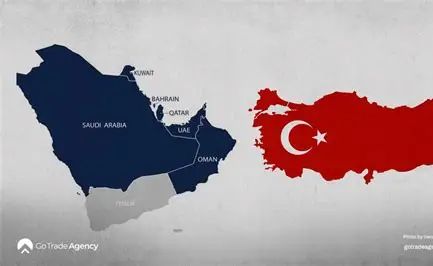
Türkiye has become an increasingly attractive destination for Gulf investors over the past decade. Thanks to its strategic location, diversified economy, young population, and expanding infrastructure, the country offers numerous opportunities across industries. As Gulf countries continue to diversify their economies beyond oil revenues, Türkiye has emerged as a key investment partner, fostering stronger economic ties and long-term cooperation.
One of the primary reasons Gulf investors are drawn to Türkiye is its unique geographical position. Located at the crossroads of Europe, Asia, and the Middle East, Türkiye serves as a regional hub for trade, logistics, and manufacturing. Companies investing in Türkiye gain access to multiple markets, making it an ideal base for regional operations.
The real estate sector has historically been one of the most significant areas of Gulf investment. Investors from countries such as the United Arab Emirates, Qatar, and Saudi Arabia have shown strong interest in residential developments, luxury properties, tourism projects, and commercial real estate. Türkiye’s growing tourism industry, competitive property prices, and citizenship-by-investment programs have further increased its appeal to foreign investors.
Beyond real estate, Gulf capital is increasingly flowing into infrastructure and energy projects. Türkiye’s commitment to expanding its transportation networks, ports, airports, and renewable energy capacity aligns well with the long-term investment strategies of Gulf sovereign wealth funds and private equity firms. Renewable energy, in particular, has become an important sector as both Türkiye and Gulf countries pursue ambitious sustainability and energy transition goals.
Technology and digital transformation are also emerging as promising areas for investment. Türkiye’s vibrant startup ecosystem, supported by a highly skilled workforce and a growing number of technology incubators, has attracted the attention of Gulf venture capital firms. Fintech, e-commerce, health technology, and artificial intelligence startups are becoming attractive targets for cross-border investments, creating opportunities for innovation and regional collaboration.
Manufacturing and industrial production represent another strategic investment area. Türkiye’s well-developed industrial base, customs union with the European Union, and competitive production costs make it an attractive destination for Gulf investors seeking to strengthen supply chains and diversify production locations. Sectors such as automotive, textiles, food processing, and chemicals continue to attract substantial foreign direct investment.
The strengthening diplomatic and economic relations between Türkiye and Gulf countries have also contributed to increasing investment flows. Bilateral agreements, high-level government visits, and investment promotion initiatives have improved investor confidence and created a more favorable business environment. As political relations continue to normalize and deepen, economic cooperation is expected to accelerate further.
Despite the positive outlook, investors should remain aware of certain challenges. Currency volatility, inflation, and regulatory changes can affect investment decisions and require careful risk management. Successful investors typically adopt a long-term perspective, conduct thorough due diligence, and work closely with experienced local advisors to navigate the Turkish market effectively.
Looking ahead, Gulf capital is expected to play an increasingly important role in Türkiye’s economic development. As global investment patterns evolve, both sides have strong incentives to expand cooperation in sectors that support sustainable growth, technological innovation, and regional connectivity. The combination of Türkiye’s dynamic economy and the Gulf region’s substantial financial resources creates a partnership with significant long-term potential.
In conclusion, strategic investments by Gulf capital in Türkiye represent more than financial transactions—they reflect a deepening economic partnership built on mutual interests and complementary strengths. With opportunities spanning real estate, infrastructure, energy, technology, and manufacturing, Türkiye remains well-positioned to attract Gulf investors seeking long-term value and sustainable growth in one of the world’s most strategically located economies.