
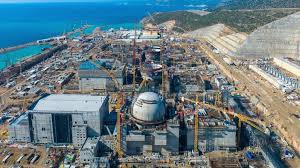
Türkiye faces rapidly growing energy demand. While renewables remain a priority, nuclear power has emerged as a strategic component of the country’s long-term energy security and decarbonization agenda. This transformation carries significant economic, geopolitical, and environmental implications.
1. Enhancing Energy Security
Türkiye remains heavily reliant on imported natural gas and oil. Nuclear energy—with its stable, high-capacity output—offers a durable solution to reduce this dependence and strengthen the resilience of the national energy system.
2. Meeting Rising Electricity Demand
Ongoing industrialization, urbanization, and digitalization are driving an upward trajectory in electricity consumption. For such a growing, continuously operating economy, the baseload power provided by nuclear reactors ensures reliability and continuity.
3. Supporting Decarbonization Goals
Türkiye has committed to achieving net-zero emissions by 2053. While solar and wind capacity are expanding, nuclear provides a low-carbon, stable energy source that complements intermittent renewables and supports long-term environmental targets.
Implementation: From Vision to Reality
The first step in this strategic pivot is the construction of the Akkuyu Nuclear Power Plant in Mersin. Once operational, it is expected to supply roughly 10 % of Türkiye’s electricity demand—highlighting the significant impact a single plant can have on the national energy portfolio.
But the plan does not end there. Additional projects are being evaluated for locations such as Sinop and İğneada, and there is growing interest in deploying small modular reactors (SMRs) to allow more flexible, accelerated expansion. These initiatives also provide opportunities for private-sector collaboration and international technology partnerships.
Risks, Challenges and Strategic Considerations
While the opportunities are clear—reduced emissions, energy reliability, and diversification—there are several important considerations:
- Waste management and long-term storage remain a major challenge.
- Geopolitical and supply-chain dependencies could arise, particularly if reactor technology and fuel need to be imported.
- High upfront capital costs demand careful financial planning.
- Success depends not just on construction, but on robust regulation, transparency, local workforce development, and long-term sustainability planning.
The shift toward nuclear energy represents more than a technical change: it is a paradigm shift in Türkiye’s energy strategy. By combining nuclear power with renewables, Türkiye aims to build a more secure, cleaner, and resilient energy infrastructure. If managed carefully, this hybrid model could position the country strongly in the evolving global energy landscape.