
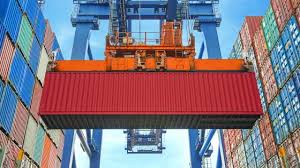
In today’s highly interconnected global economy, exchange rates play a decisive role in export competitiveness. Changes in currency values directly affect how competitively a country’s goods and services are priced in international markets. As a result, exchange rate volatility can influence export demand, investment decisions, and long-term economic growth.
To mitigate these challenges, many countries have adopted free zones (also known as special economic zones) as strategic policy tools. These zones help stabilize export performance, attract investment, and strengthen external trade resilience, especially in periods of currency fluctuations and global economic uncertainty.
Exchange Rates and Export Performance
Exchange rates determine the relative price of domestic goods in global markets. When a national currency depreciates, exports typically become cheaper for foreign buyers, which can stimulate international demand and increase export volumes.
Conversely, when a currency appreciates, exported products become more expensive abroad. This can reduce price competitiveness and potentially weaken export performance.
However, exchange rate movements alone rarely guarantee sustainable export growth. Frequent or unpredictable currency fluctuations create uncertainty for exporters, making it harder to:
- Set stable international prices
- Negotiate long-term supply contracts
- Plan investments in production and logistics
Because of this uncertainty, many governments complement exchange rate policies with structural trade strategies, including the development of free zones designed to support export-oriented industries.
Free Zones as Catalysts for Export Competitiveness
Free zones—sometimes referred to as special economic zones (SEZs) or export processing zones (EPZs)—are designated areas where businesses benefit from:
- Simplified customs procedures
- Tax incentives and tariff exemptions
- Flexible regulatory frameworks
- Modern logistics and infrastructure
These incentives help attract foreign direct investment (FDI) and encourage firms to establish export-oriented operations.
By lowering administrative barriers and operational costs, free zones allow companies to remain competitive even during exchange rate fluctuations. Many firms operating within these zones rely on imported intermediate goods, which are then processed or assembled and re-exported to global markets.
This production model strengthens competitiveness by enabling companies to:
- Optimize supply chains
- Maintain efficient production costs
- Respond quickly to international demand
Additionally, free zones often provide high-quality infrastructure, including ports, airports, and advanced logistics systems. These advantages reduce trade costs and shorten delivery times—two factors that are increasingly critical in global value chains.
How Free Zones Build External Trade Resilience
External trade resilience refers to an economy’s capacity to maintain stable export activity despite global disruptions such as currency volatility, economic crises, or supply chain shocks.
Free zones contribute to this resilience in several key ways:
1. Export Diversification
Free zones attract companies from multiple industries and countries. This diversification reduces dependence on a narrow range of export products or trading partners.
2. Integration into Global Value Chains
Firms located in free zones often collaborate with multinational corporations. This integration provides stable international demand, technology access, and established distribution networks.
3. Technology Transfer and Productivity Gains
Exposure to international competition encourages companies to adopt advanced technologies, modern manufacturing processes, and higher productivity standards. Over time, this improves workforce skills and strengthens the broader industrial base.
Policy Considerations for Effective Free Zones
While free zones can significantly enhance export competitiveness, their effectiveness depends on sound governance and economic policy.
Successful free zone strategies typically include:
- Transparent and predictable incentive structures
- Reliable infrastructure and logistics connectivity
- Stable regulatory environments
- Strong links between free zones and the domestic economy
Integrating free zones with local supply chains is particularly important. When domestic firms can participate in production networks, the benefits of trade expansion spread throughout the national economy.
At the same time, stable macroeconomic management and prudent exchange rate policies remain essential to maintaining investor confidence and supporting long-term export growth.
Conclusion: The Strategic Role of Free Zones in a Volatile Global Economy
Exchange rates remain one of the most influential factors shaping export competitiveness. However, relying solely on currency movements is not a sustainable strategy for long-term trade success.
Free zones provide a structural solution by lowering trade barriers, attracting foreign investment, and facilitating integration into global markets. By doing so, they help economies maintain strong export performance even during periods of exchange rate volatility.
As global trade becomes more complex and supply chains continue to evolve, the combination of effective exchange rate management and well-designed free zone policies will be increasingly important for countries seeking sustainable export growth and resilient external trade systems.